
Tadka: Why Every Indian Dish Starts With It – The Science & Taste Explained
Table of Contents
Why Every Indian Dish Starts With Tadka
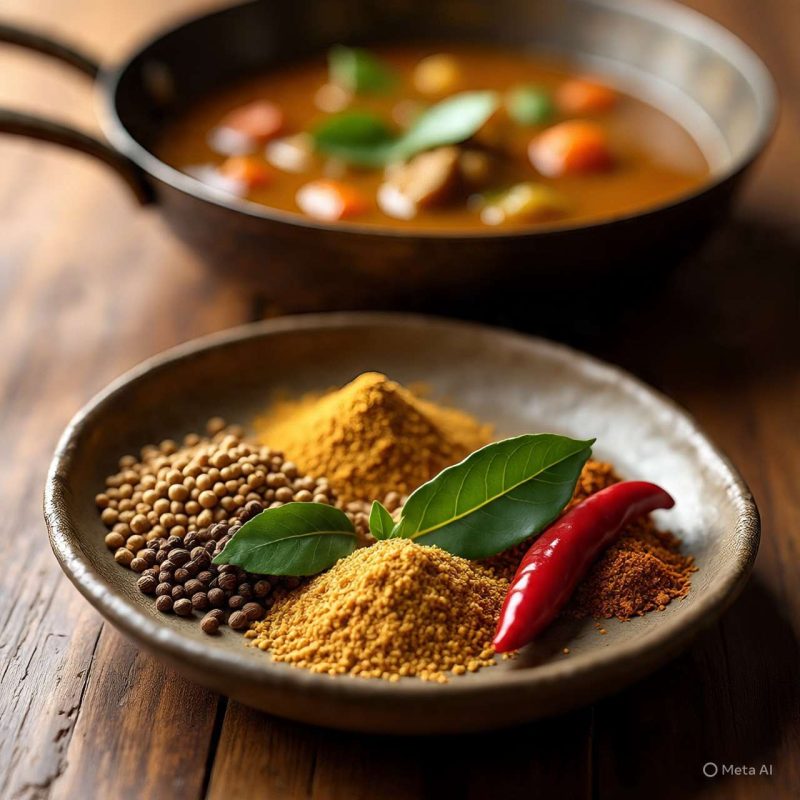
Tadka — also known as tempering — is more than just the first step in Indian cooking. It’s a time-honored tradition packed with flavor, aroma, and science. Almost every Indian dish starts with tadka, and there’s a good reason for that. Whether it’s dal, sabzi, or even chutney, this sizzling mixture of ghee or oil with spices sets the foundation for a mouthwatering meal.
What Is Tadka?
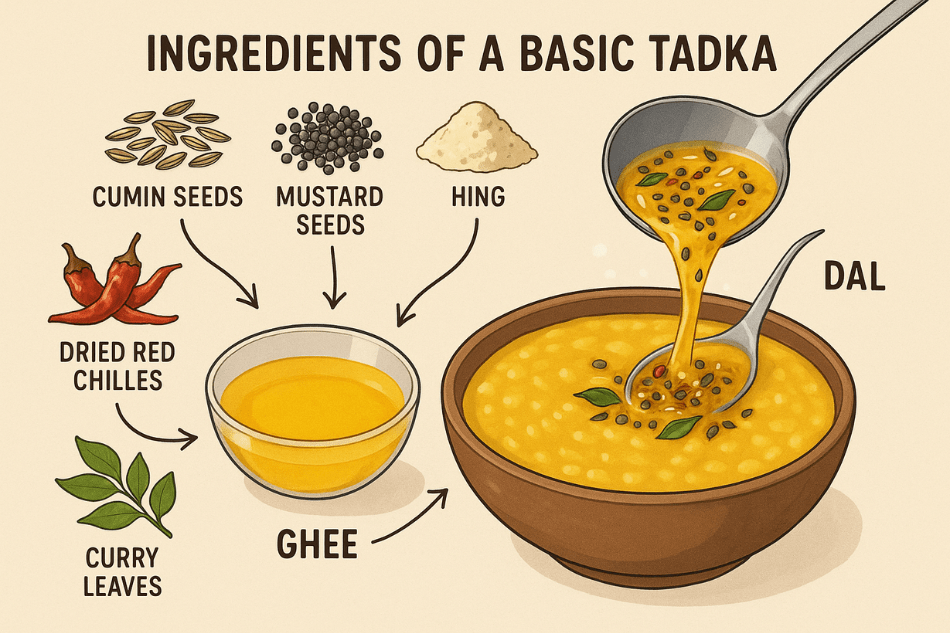
Tadka (also known as chaunk, baghaar, or phodni) is a technique where spices are briefly roasted in hot oil or ghee to release their essential oils and enhance their natural aroma. This infusion is then either added to the dish or used as the base for cooking.
Fun Fact: The word “tadka” comes from the Hindi word “tadakna,” which means “to crackle” — exactly what the spices do when they hit hot oil.
The Science Behind Tadka
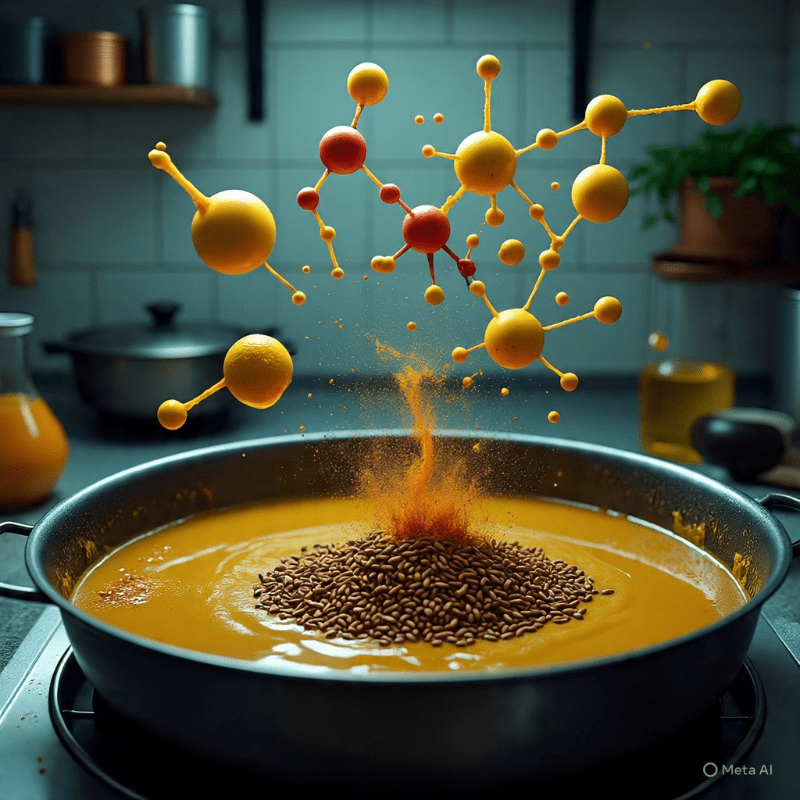
There’s actual food chemistry at play here. Spices like mustard seeds, cumin, and fenugreek contain volatile oils that are released when exposed to heat. Cooking them in oil allows these flavors to dissolve into the fat, creating a rich, aromatic base that penetrates the entire dish.
According to food scientists, tadka acts like a flavor delivery system, allowing fat-soluble compounds like curcumin in turmeric or capsaicin in red chili to become bioavailable and easily absorbed by the body.
How Tadka Enhances Taste
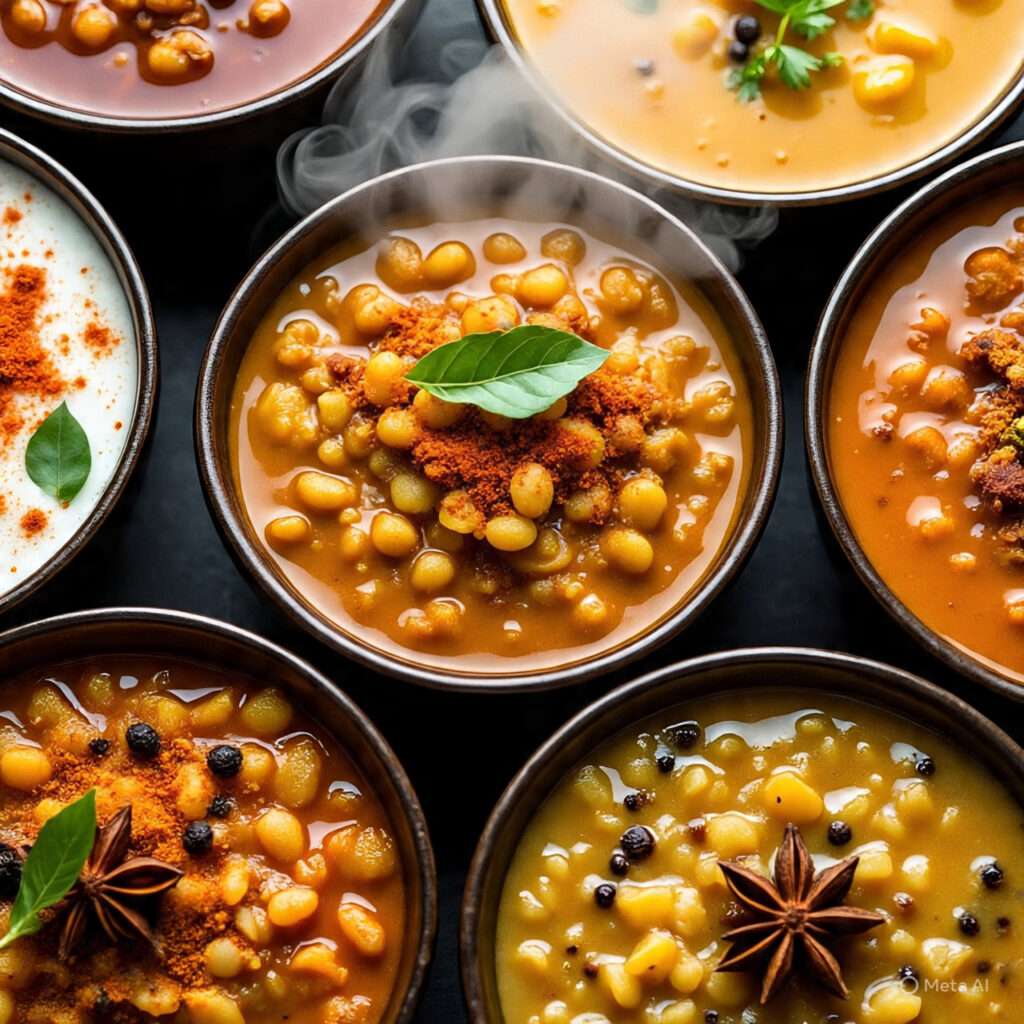
Tadka is all about layering flavors. Here’s how:
Cumin adds earthiness.
Mustard seeds give pungency and nuttiness.
Hing (asafoetida) lends a deep umami-like savory hit.
Curry leaves and green chilies add freshness and spice.
Even the sound and aroma of a sizzling tadka evoke hunger. It’s a sensory experience, not just a cooking method.
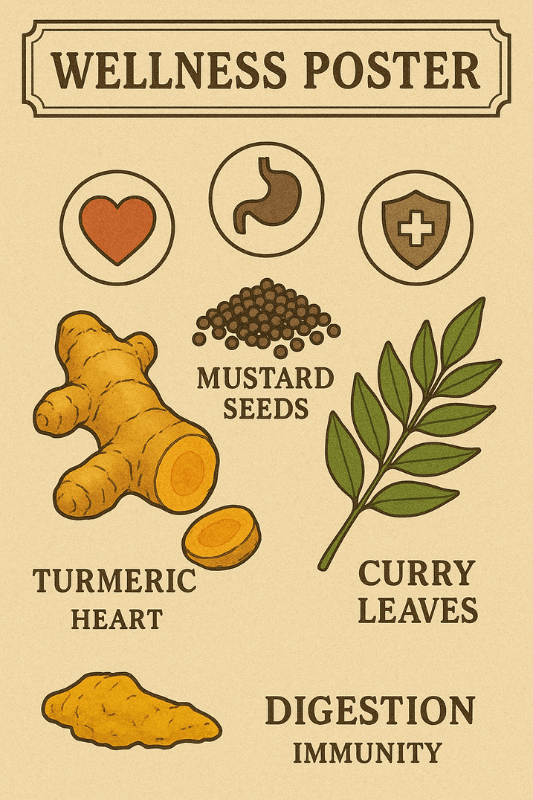
Health Benefits of Tadka
Besides enhancing flavor, tadka also boosts nutrition:
Ghee used in tadka is rich in good fats and fat-soluble vitamins.
Turmeric, when bloomed in fat, becomes more bioavailable.
Mustard seeds aid digestion and have anti-inflammatory properties.
The key is moderation and using cold-pressed oils like Swadsugandh’s Groundnut Oil, which retain nutrients even at high temperatures.
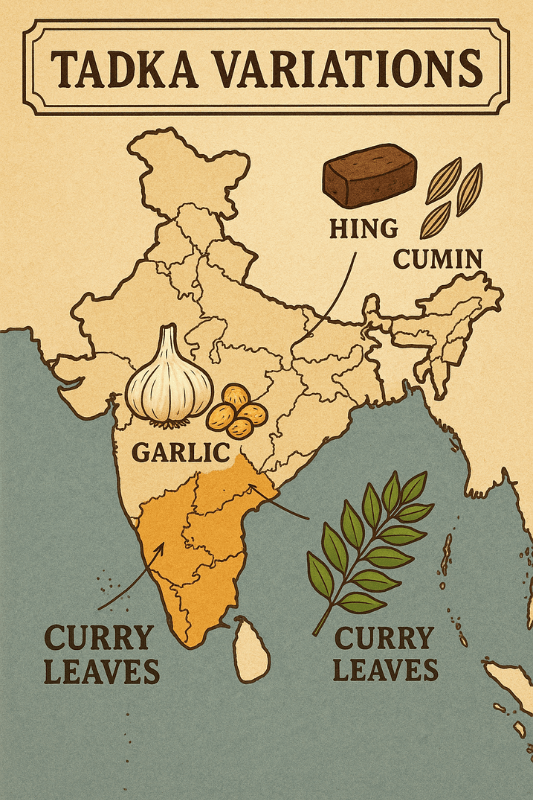
Tadka and Regional Diversity
Every state in India has its own tadka style:
South India: Uses mustard seeds, curry leaves, and urad dal.
North India: Prefers cumin, asafoetida, and green chilies.
Maharashtra: Often adds garlic, red chilies, and peanuts.
This simple technique carries centuries of cultural flavor across regions.
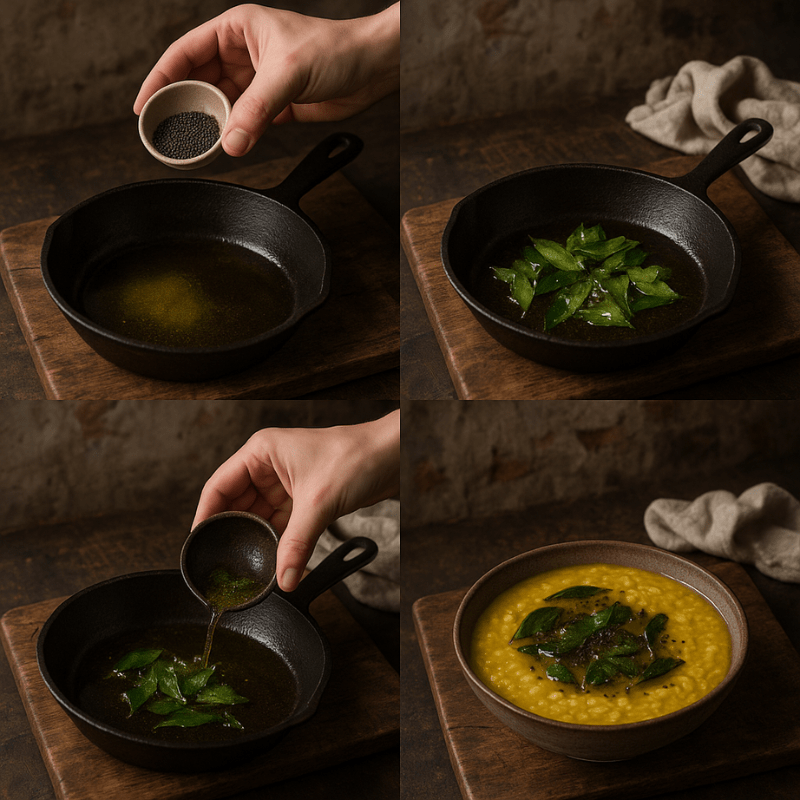
How to Make the Perfect Tadka at Home
Here’s a quick recipe to try:
Ingredients:
1 tbsp Swadsugandh Desi Ghee or Cold-Pressed Oil
1 tsp cumin seeds
½ tsp mustard seeds
A pinch of hing
1-2 dried red chilies
A few curry leaves
Instructions:
Heat the ghee/oil in a pan.
Add cumin and mustard seeds; let them splutter.
Add hing, red chilies, and curry leaves.
Once the aroma releases, pour over your cooked dal or sabzi.

Indian family enjoying dal with fresh tadka, representing tradition and why every Indian dish starts with tadka
Whole wheat flour is a type of flour that is made by grinding the entire wheat kernel, which includes the bran, germ, and endosperm. This comprehensive milling process preserves all the essential nutrients and fiber found in the grain, making whole wheat flour a healthier alternative to refined white flour.
Conclusion: Tadka is More Than Just a Technique
To understand why every Indian dish starts with tadka is to appreciate its flavor-enhancing magic, scientific depth, and nutritional wisdom. It’s not just tradition; it’s a perfected science passed down for generations.
Next time you hear the crackle of spices in hot ghee, know that it’s the heartbeat of Indian cuisine.